By Frisco TX Community Staff
Published May 14, 2026
Riders Field traded its usual minor-league baseball roster for an unusual lineup this year — Dallas Cowboys players stepping into the batter’s box for the annual Reliant Home Run Derby, with each hit and each home run translating directly into donation dollars for The Salvation Army. The format has settled into one of the more recognizable charity events on the Cowboys’ offseason calendar, and the Frisco venue makes the entire production work.
For Frisco residents who haven’t tracked the event before, the Reliant Home Run Derby is exactly what its name suggests — a home run derby format adapted to NFL players rather than MLB pros. Each participating Cowboys player takes turns at the plate against batting practice pitching, swinging for the fences while the crowd cheers them on. Every contact hit produces a donation. Every home run multiplies that contribution. The cumulative result, by the time one Cowboy is declared champion, is a meaningful five- or six-figure check to The Salvation Army’s North Texas operations.
Why Riders Field Works for the Event
The Frisco RoughRiders’ home stadium is the right venue for this event for reasons that go beyond just being a baseball field. Riders Field is sized for minor-league baseball, which means the dimensions are big enough to make NFL players hitting balls into the outfield look genuinely impressive without being so massive that contact hits feel pedestrian. The seating capacity is large enough to give the event a real crowd, but intimate enough that fans get close enough to the action to actually see the players’ swings and reactions in detail.
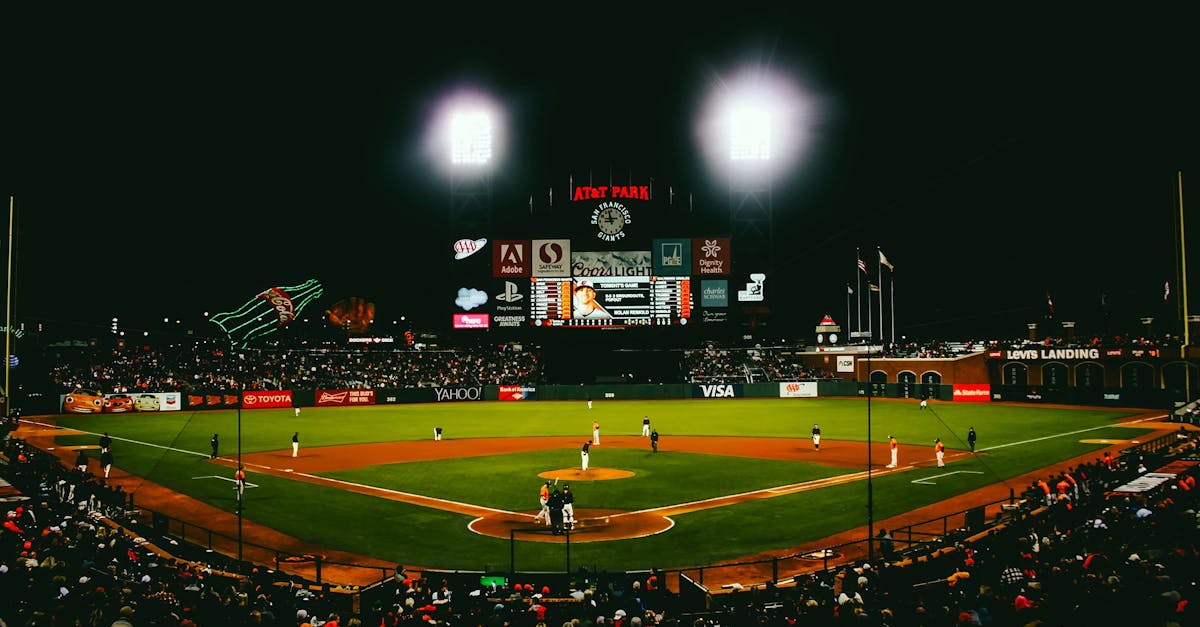
The stadium’s setup as an active professional venue also means the production values are higher than a casual charity event typically delivers. Lighting, scoreboard graphics, public address, and the kind of in-stadium programming that makes a baseball game feel like a baseball game — all of that infrastructure is in place and operational for the Derby. The result is an event that feels like a real sporting production, which is part of why Cowboys players and fans both treat it as a meaningful date on the offseason calendar.
The walk from the parking lot to the seats is short, the concession operation runs normally, and the overall experience of attending the Derby is, functionally, the experience of attending a RoughRiders game with the variable of NFL players in the batter’s box rather than working baseball players. That accessibility is part of what makes the event work as a family outing rather than a closed VIP-only fundraiser.
What the Format Actually Looks Like
The Derby’s structure is straightforward in a way that makes it work for a crowd of all ages. Each participating Cowboys player gets a batting turn — typically a fixed number of outs, with each non-home run swing counting as an out — and the player who accumulates the most home runs across their turn advances. The format produces clear winners, clear losers, and the kind of competitive theater that keeps the crowd engaged through the whole evening.
For the players, the event sits in an interesting place on the offseason calendar. NFL players come out of their season into a structured offseason program that includes voluntary workouts, organized team activities, and the broader work of preparing for training camp. The Derby is one of the few moments in that schedule where the players are doing something publicly visible and competitive that has nothing to do with football. The result tends to be a relaxed, fan-friendly evening where the players’ personalities come through in a way that’s harder to see during their actual professional work.
That accessibility matters for the event’s identity. The Derby is not primarily about the baseball — it’s about the players doing something fans can enjoy alongside them in service of a real charitable cause. The format works because it gives the players a credible competitive stage, gives the fans a meaningful interaction with the team, and gives the Salvation Army a substantive funding event. All three audiences walk away with what they came for.
The Salvation Army Connection
The Salvation Army’s North Texas operations cover a wide range of social-service programming — homeless shelter and housing assistance, addiction recovery services, food insecurity programming, holiday giving programs, and the broader social-safety-net work that the organization is known for across the United States. Events like the Reliant Home Run Derby fund that work directly. The Cowboys’ involvement gives the event the public visibility and corporate partnership infrastructure to produce meaningful dollar amounts, and the Salvation Army’s operational capacity translates those dollars into delivered services.
For attendees who haven’t engaged with the Salvation Army’s specific local work before, the Derby is one of the better introductions to what the organization actually does in DFW. The event’s programming typically includes Salvation Army representatives, information about the year’s funded programs, and the kind of direct communication that turns a charity event into an organizational relationship rather than a one-off donation moment.
Riders Field’s Role in Frisco’s Sports Identity
Frisco’s identity as a sports-anchored city has been shaped by a remarkable concentration of professional and semi-professional venues — the Star (Cowboys headquarters), Toyota Stadium (FC Dallas), Comerica Center, PGA Frisco, and Riders Field collectively give the city a sports footprint that no other DFW suburb comes close to matching. Each venue has its own role in that footprint, and Riders Field’s particular contribution is that it brings minor-league baseball — and events like the Reliant Home Run Derby — into the mix.
Minor-league baseball is a meaningfully different family-entertainment proposition from major-league sports. Tickets are accessible, the game pace is family-friendly, and the in-game programming is built specifically for kids and families rather than for high-intensity adult sports fans. Riders games during the regular season are exactly that kind of family outing, and one-off events like the Derby extend the venue’s appeal to fans who might not show up for a routine minor-league game but who will absolutely show up to see Cowboys players take batting practice for charity.
The Cowboys-Salvation Army Partnership Pattern
The Cowboys’ broader charitable partnership work tends to operate at a scale most NFL teams don’t match — high-profile events, ongoing organizational relationships, and the kind of long-term commitment to local nonprofits that goes beyond one-off appearances. The Reliant Home Run Derby fits into that pattern as the kind of recurring event that has been built into the Cowboys’ offseason calendar deliberately.
For the players who participate, the Derby is one of several charity events they’re invited to engage with during the offseason. Different players gravitate toward different causes, and the Derby’s connection to the Salvation Army’s broad social-service work tends to attract players whose personal philanthropic interests include the kind of community-level impact the Salvation Army delivers. The result is a roster of participating players that genuinely cares about being there rather than just fulfilling a contractual appearance.
What Comes Next
The Reliant Home Run Derby’s continued presence on the Cowboys’ offseason calendar — and at Riders Field specifically — is the kind of partnership that compounds over time. Each year’s event raises money for the Salvation Army, builds the event’s audience among Frisco-area Cowboys fans, and reinforces Riders Field’s role as a community venue that hosts more than just RoughRiders games.
For Frisco residents who haven’t been to a Derby before, future editions are worth keeping on the calendar. The event runs annually, the format is consistent enough that knowing what to expect doesn’t take away from the experience, and the cause is genuinely worth supporting. A summer evening at Riders Field watching Cowboys players try to hit baseballs for charity is one of the more distinctly Frisco entertainment experiences the city’s sports infrastructure makes possible.
Topics in this article
Never miss a bite.
Subscribe to the Frisco newsletter for weekly local news and reviews.