By Frisco Community Staff
Published June 7, 2026
The World Comes to Frisco
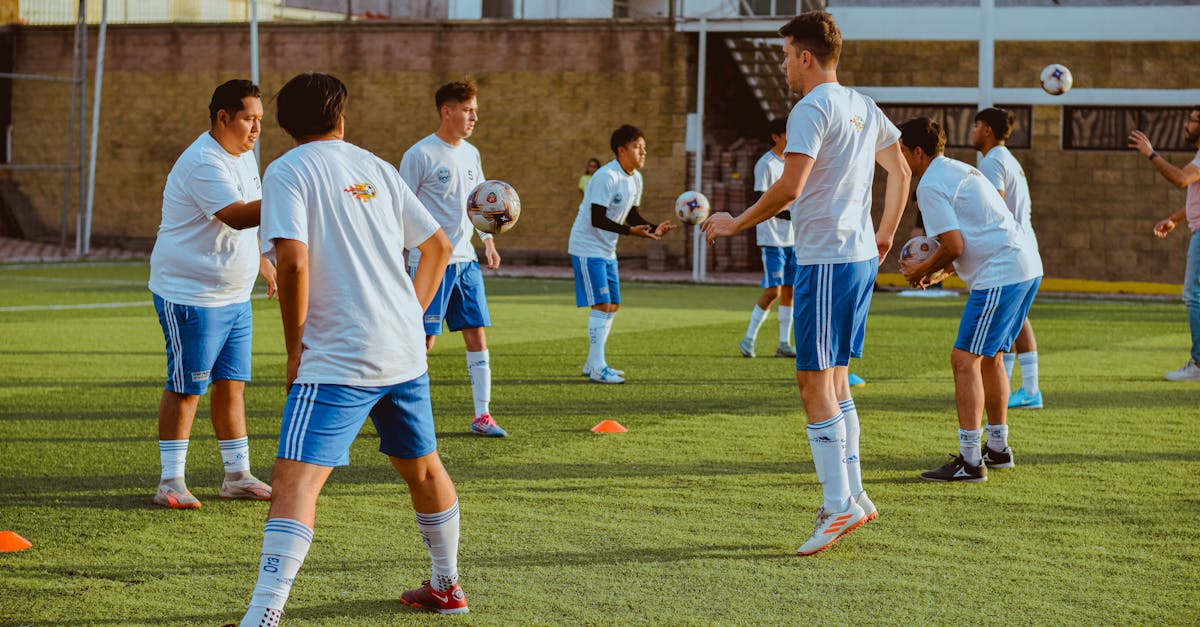
On the north end of Toyota Stadium, where FC Dallas plays out its regular-season evenings and the roar of a goal echoes across Warren Parkway, something larger than a league match is unfolding this summer. For several weeks in June and July 2026, that same grass will be the daily training ground for Sweden’s national soccer team — one of the most storied programs in international football — as it prepares for the biggest sporting event on the planet.
The FIFA World Cup 2026 has positioned North Texas as one of its premier host regions, with Dallas serving as an official Host City. But it is Frisco, a city whose identity has been woven together with soccer for decades, that landed one of the tournament’s coveted Base Camp designations. Toyota Stadium is Sweden’s official Base Camp Site, functioning as both a combined training facility and accommodation hub for the Swedish squad throughout the group stage.
For a city that built its sports infrastructure around the beautiful game, the assignment feels less like a coincidence and more like an arrival.
What a Base Camp Actually Means
The FIFA World Cup Base Camp model is designed to give national teams a stable, familiar environment during the pressures of the tournament’s opening rounds. Rather than bouncing between cities or hotels, squads settle into a single location that can accommodate training sessions, tactical work, recovery, and rest — all without the logistical turbulence that can wear a team down before the knockout rounds even begin.
For Sweden, that anchor point is a stadium that already knows professional soccer at a high level. Toyota Stadium has hosted MLS matches, U.S. national team fixtures, and major college soccer events for years. Its pitch, its facilities, and its proximity to the Dallas Host City venues made it a natural candidate. The selection process is exhaustive; FIFA evaluates training infrastructure, field quality, hotel proximity, medical facilities, and transport logistics before granting a Base Camp designation to any site.
That Frisco cleared every threshold is a testament to how seriously the city and its sports partners have invested in first-class facilities over the years.
A Soccer City With a Long Memory
Frisco’s relationship with soccer did not begin when a World Cup bid was filed. It goes back further, to the founding of FC Dallas and the deliberate choice to build the club a dedicated stadium in a growing suburb that would eventually become one of the fastest-growing cities in the United States.
Today, that history has a permanent home just steps from the stadium. The National Soccer Hall of Fame, located in Frisco, stands as the official repository of American soccer’s story — its players, its pioneers, its trophies, and its transformation from a fringe sport into one of the country’s most-watched games. During the World Cup tournament, the Hall of Fame will be open as part of the broader FC Dallas Soccer Celebration, giving visiting fans and Frisco residents alike a place to connect the present moment to everything that came before it.
For a family visiting from out of state, or a Frisco resident who grew up playing on one of the city’s youth fields, the combination of a Hall of Fame exhibit and a World Cup Base Camp operating down the road is the kind of convergence that does not happen often.
What Residents Can Expect This Summer
The presence of an international team in training creates a particular kind of civic energy that is difficult to manufacture. Players who will appear on broadcasts watched by hundreds of millions of people globally will be moving through the same city where parents are dropping kids off at soccer camps, where families are grabbing breakfast before a weekend game, and where the local economy hums along in the particular way that a sports-centric city does.
Visit Frisco has been tracking the World Cup summer as a central piece of the city’s broader identity as a sports tourism destination. The tournament’s footprint in North Texas — with Dallas as a Host City and Frisco as a Base Camp location — positions the region, and Frisco specifically, to welcome international visitors who combine match attendance with exploration of the surrounding communities.
For local businesses along the Frisco Square corridor and throughout the city’s commercial areas, that means foot traffic from fans who followed their national team here from Stockholm, Gothenburg, and Malmö, looking for a meal, a souvenir, or simply a place to watch the tournament alongside strangers who have become, for a few weeks, fellow travelers in the same soccer-obsessed summer.
Why This Moment Is Different
The United States last hosted the FIFA World Cup in 1994. An entire generation of American soccer fans has grown up without experiencing that kind of global convergence on home soil. The 2026 tournament, co-hosted by the United States, Canada, and Mexico, is the largest World Cup in history by number of teams and matches.
For Frisco, the distinction is not just geographic proximity to Dallas. It is the active, operational role that Toyota Stadium is playing — not as a host venue for matches, but as the daily home base for a competing nation. That granular level of involvement, the kind where groundskeepers are prepping the pitch for morning training sessions and staff are coordinating logistics for a team’s entire tournament stay, is a different category of participation than simply being near a big event.
It reflects a city that has spent years building toward exactly this kind of recognition — one stadium, one Hall of Fame, and one Base Camp designation at a time.
Planning a Visit
For Frisco residents who want to experience the World Cup atmosphere close to home, the National Soccer Hall of Fame and the FC Dallas Soccer Celebration offer organized programming tied to the tournament schedule. Toyota Stadium’s official channels are the best source for updates on public access and any fan-facing events scheduled around the Base Camp period.
The summer of 2026 is a short window. The group stage moves quickly, and the Swedish squad will eventually pack up and move on — either deeper into the tournament or back across the Atlantic. But the fact that they were here, training on Warren Parkway in a city that has always taken soccer seriously, will be a chapter in Frisco’s story worth remembering long after the final whistle.
Topics in this article
Never miss a bite.
Subscribe to the Frisco newsletter for weekly local news and reviews.